
Understanding Uterine Fibroids: Causes, Impacts, and the Evolution of Care

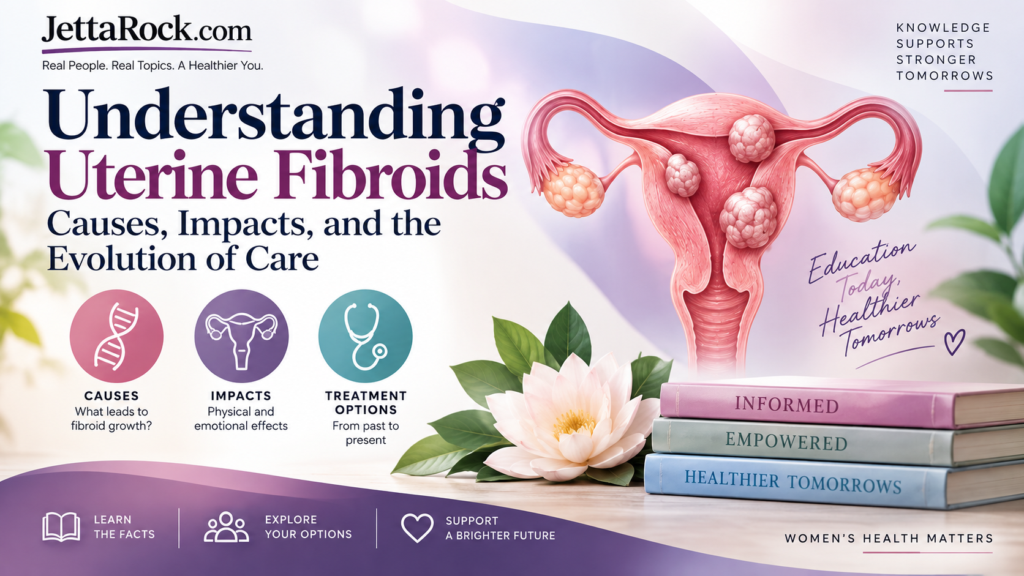
Did you know: Uterine fibroids, medically known as leiomyomas, are non-cancerous growths of muscle and connective tissue that develop in or around the wall of the uterus. Despite being exceptionally common, affecting up to 70% to 80% of women by age 50, fibroids remain a widely misunderstood medical condition.
Where Do Fibroids Come From?
Fibroids originate from a single smooth muscle cell in the uterine wall that repeatedly divides, eventually forming a firm, rubbery mass distinct from surrounding tissue. While researchers do not pinpoint a single direct cause, several key factors fuel their development:
- Hormonal Influence: Estrogen and progesterone, the hormones that prepare the uterine lining for pregnancy, promote fibroid growth. Fibroids contain higher concentrations of these hormone receptors than normal uterine muscle tissue.
- Genetic Factors: Many fibroids contain altered genes compared to normal uterine cells. A family history of fibroids significantly increases an individual’s likelihood of developing them.
- Growth Factors: Body substances that help maintain tissue, such as insulin-like growth factors, can accelerate fibroid proliferation.
The Physical and Emotional Impact
For many individuals, fibroids are asymptomatic and discovered incidentally during routine pelvic exams. However, for millions of others, their size, number, and location cause severe daily challenges:
- Heavy Menstrual Bleeding: Fibroids that distort the inner uterine cavity can cause prolonged, heavy periods, frequently leading to iron-deficiency anemia and fatigue.
- Pelvic Pressure and Pain: Large fibroids can press against adjacent organs. Pressure on the bladder causes frequent urination, while pressure on the rectum can lead to constipation or backaches.
- Reproductive Effects: Depending on their location, certain fibroids can block the fallopian tubes or impede embryo implantation, potentially causing infertility or complications during pregnancy.
The Evolution of Treatment: From Past to Present
The medical approach to managing fibroids has transformed dramatically over the last century, moving away from radical surgery toward organ-preserving, targeted therapies.
| Era | Primary Treatment Approach | Clinical Impact & Limitations |
|---|---|---|
| Past treatment | Total Hysterectomy (Surgical removal of the uterus) | Highly invasive; permanent loss of fertility; required long hospital stays and prolonged recovery. |
| Now and then treatment | Abdominal Myomectomy & Early Hormonal Therapy | Allowed surgical removal of fibroids while preserving the uterus; birth control pills managed symptoms but didn’t shrink growths. |
| (Present) | Minimally Invasive Procedures & Targeted Therapies | Uterine Artery Embolization (UAE) cuts off blood supply to shrink fibroids; MRI-guided focused ultrasound destroys tissue without incisions; oral GnRH antagonists target hormone receptors directly. |
Today’s treatment landscape prioritizes personalized medicine, balancing symptom relief with a patient’s personal goals regarding recovery time and future fertility. Many women were offered only this surgical, invasive, permanent loss of fertility, hospital stay, and prolonged recovery, not to mention being butchered.





Responses